Spatial Ecology and Environmental Data Sciences (SEEDS Lab)
Tong Qiu, Duke University
We are ecologists at the Nicholas School of the Environment. We use data–model synthesis to integrate satellite and airborne remote sensing with ecological big data and predictive modeling to understand how terrestrial ecosystems are functioning under global change.
Research Themes
*
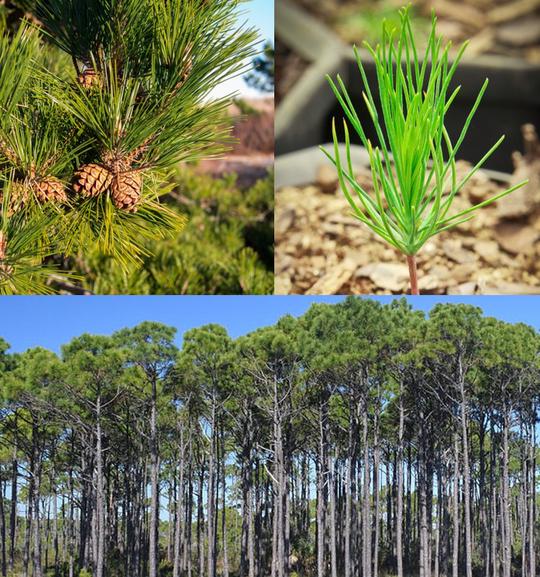
Forest ecosystems rely on the fecundity of their trees to regenerate after dieback and disturbance. We are interested in quantifying fecundity variations at species, landscape, and global scales.
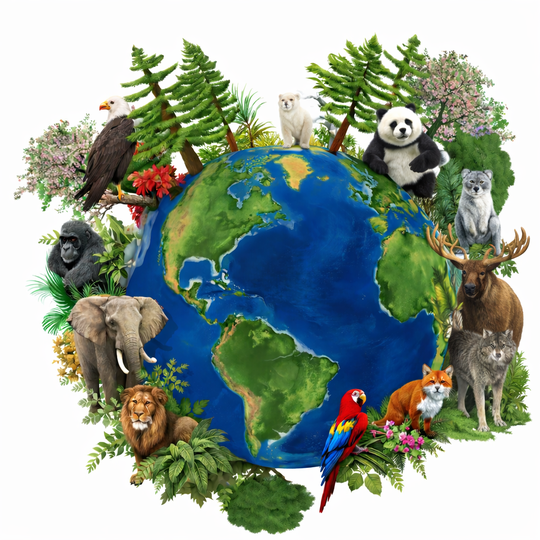
Biodiversity supports human well-being with food, energy, and materials. We integrate advanced remote sensing with ecological big data within predictive models to quantify biodiversity changes across spatial scales, time, and multiple organismal groups.
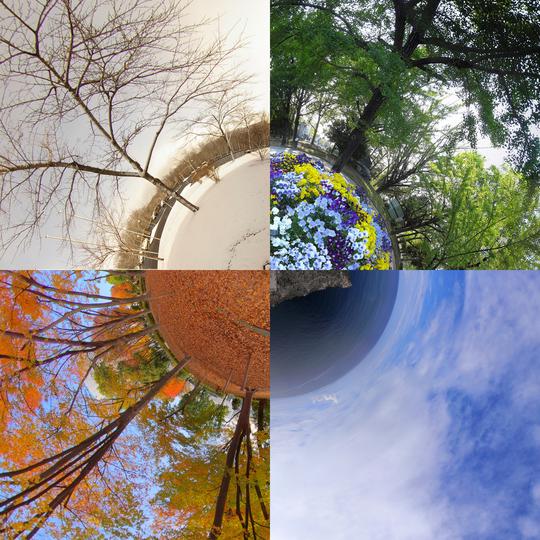
Vegetation dynamics control carbon and water cycles. We study how they respond to restoration practices, megafauna rewilding, and extreme weather events across diverse ecosystems in the Northern Hemisphere and Sub-Saharan Africa.
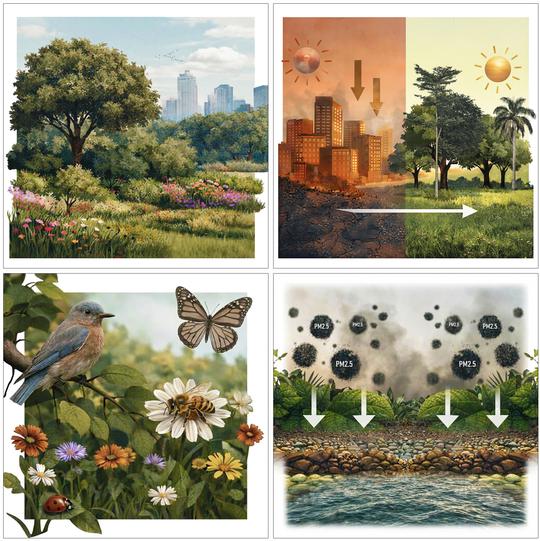
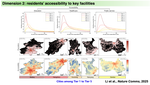
Cities concentrate people and climate risks. We quantify how the functional and structural diversity of urban greenspace shapes ecosystem functions in cities, including heat mitigation, biodiversity support for birds, and public health outcomes.
We use AI because ecological systems are vast and dynamic, and manual interpretation cannot keep pace. We delineate individual tree crowns to track species turnover and carbon outcomes, and we also detect animals to map wildlife abundance across landscapes.
Featured publications
Full publication list can be find here.

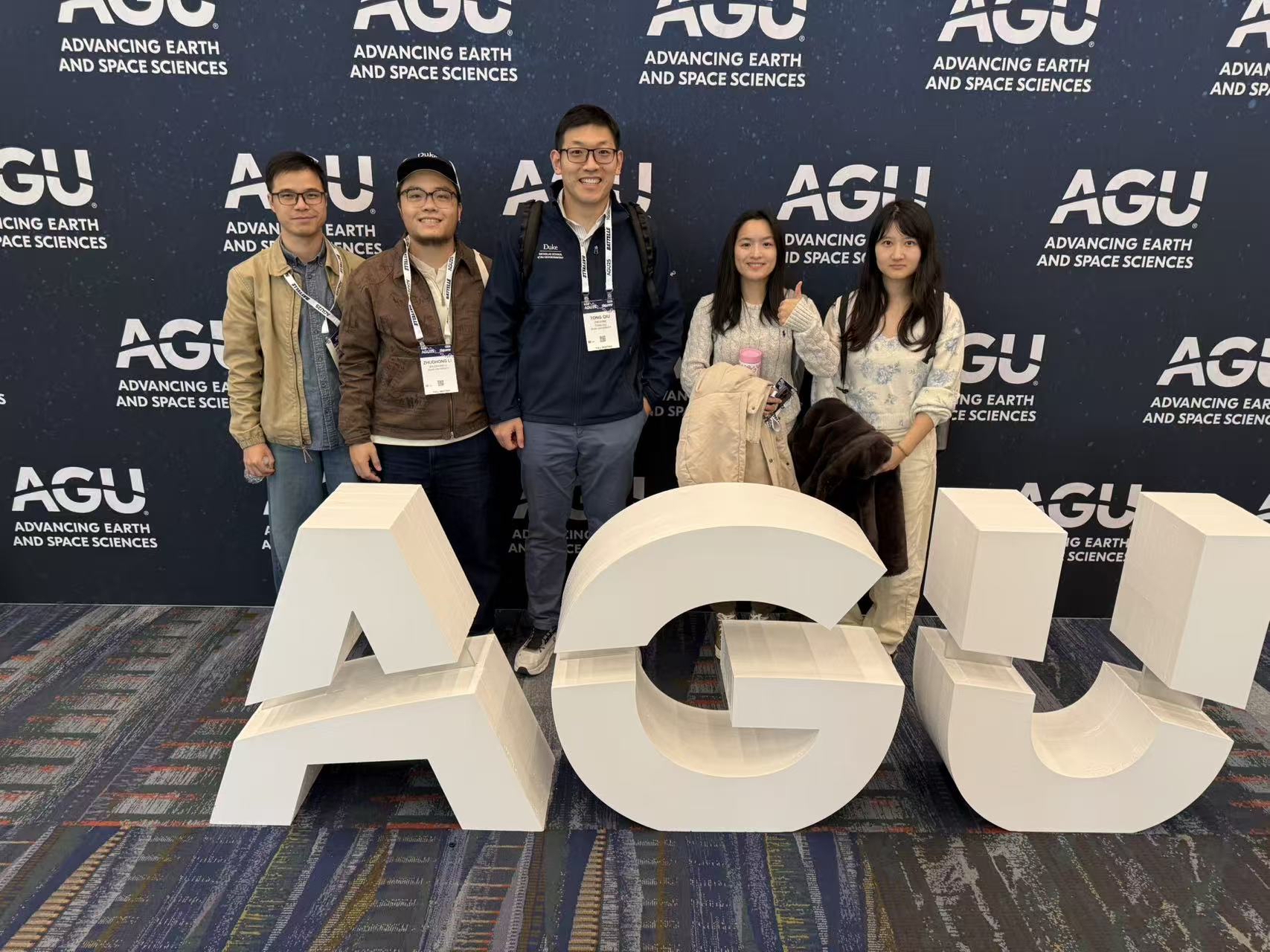
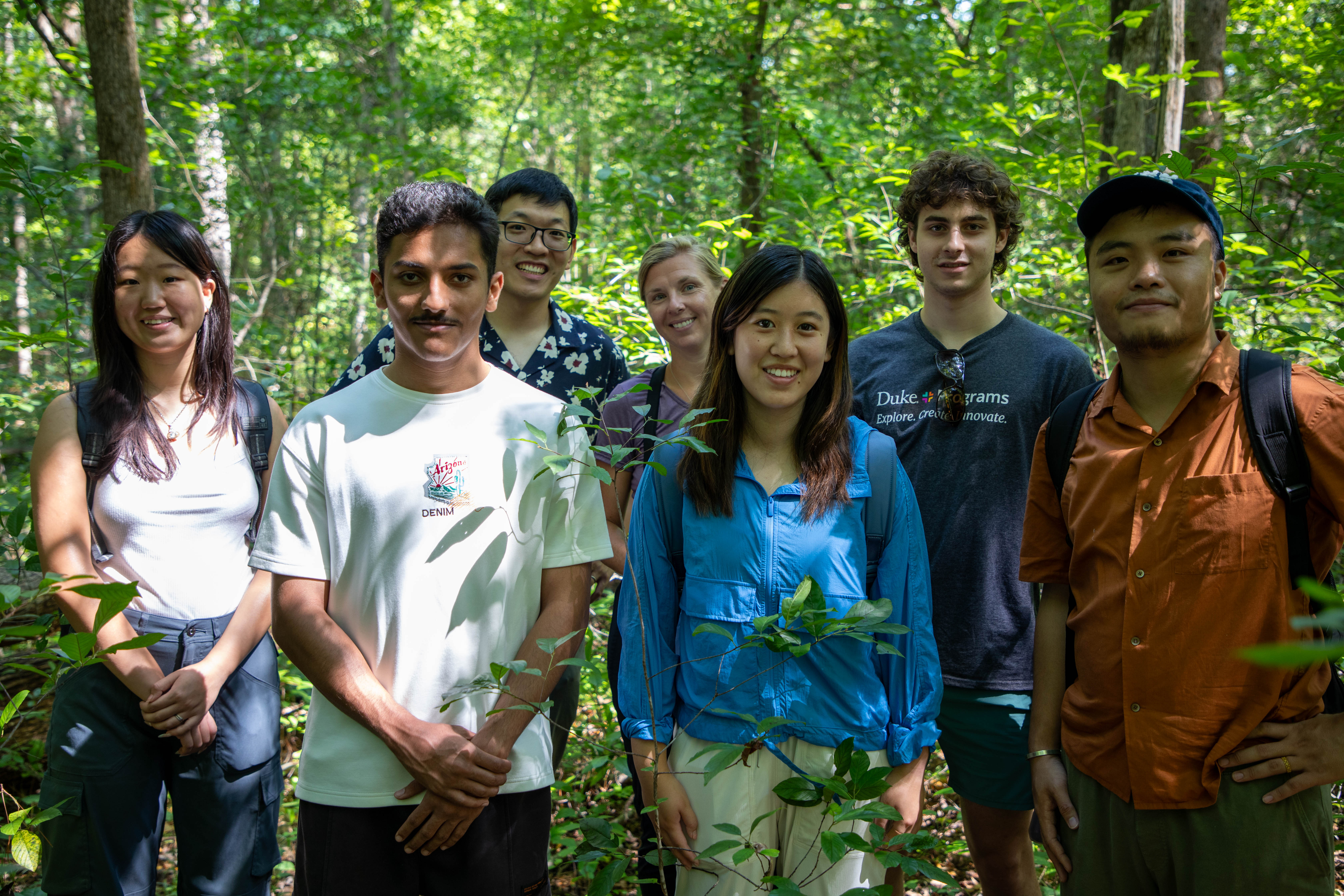
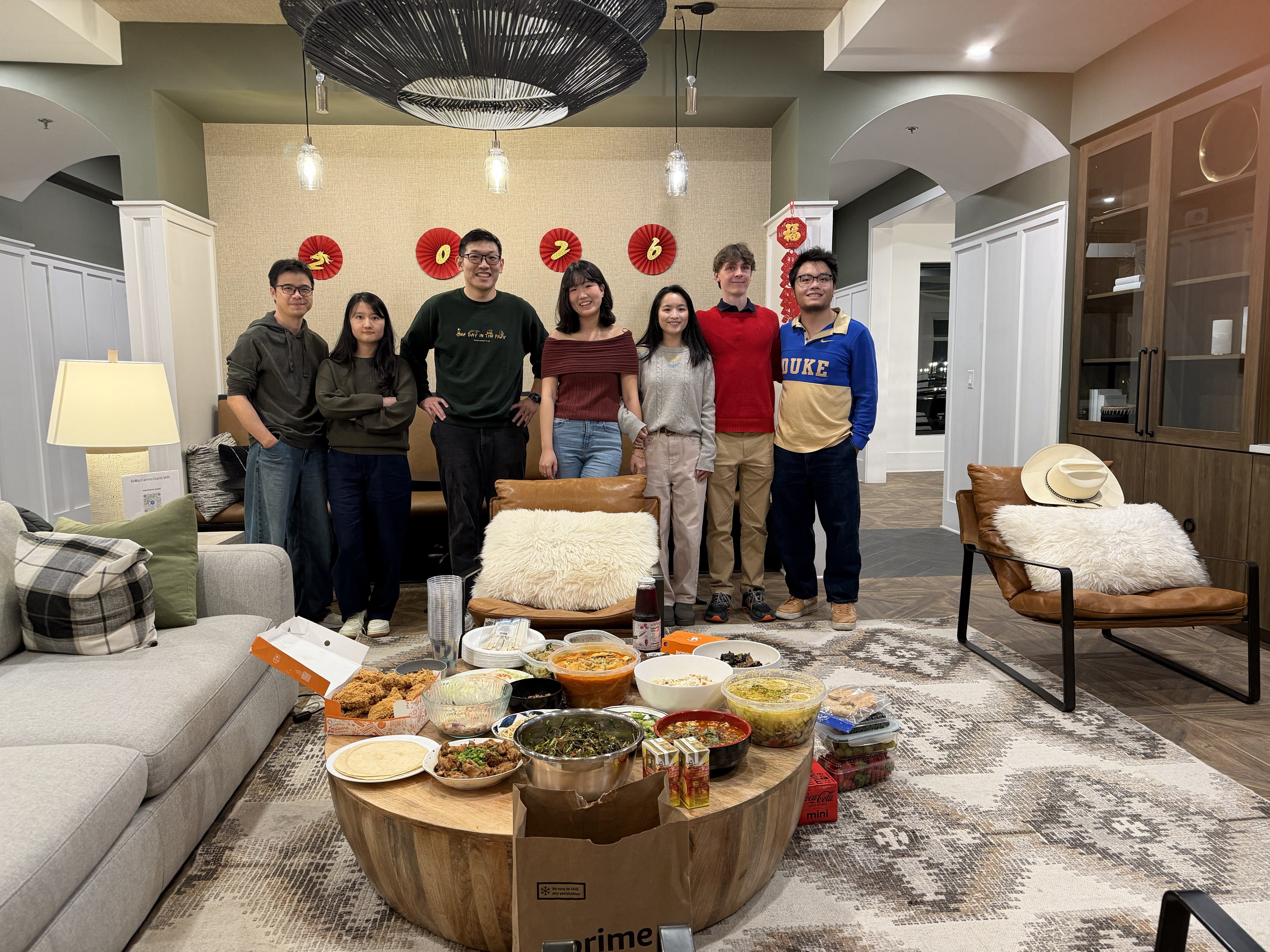
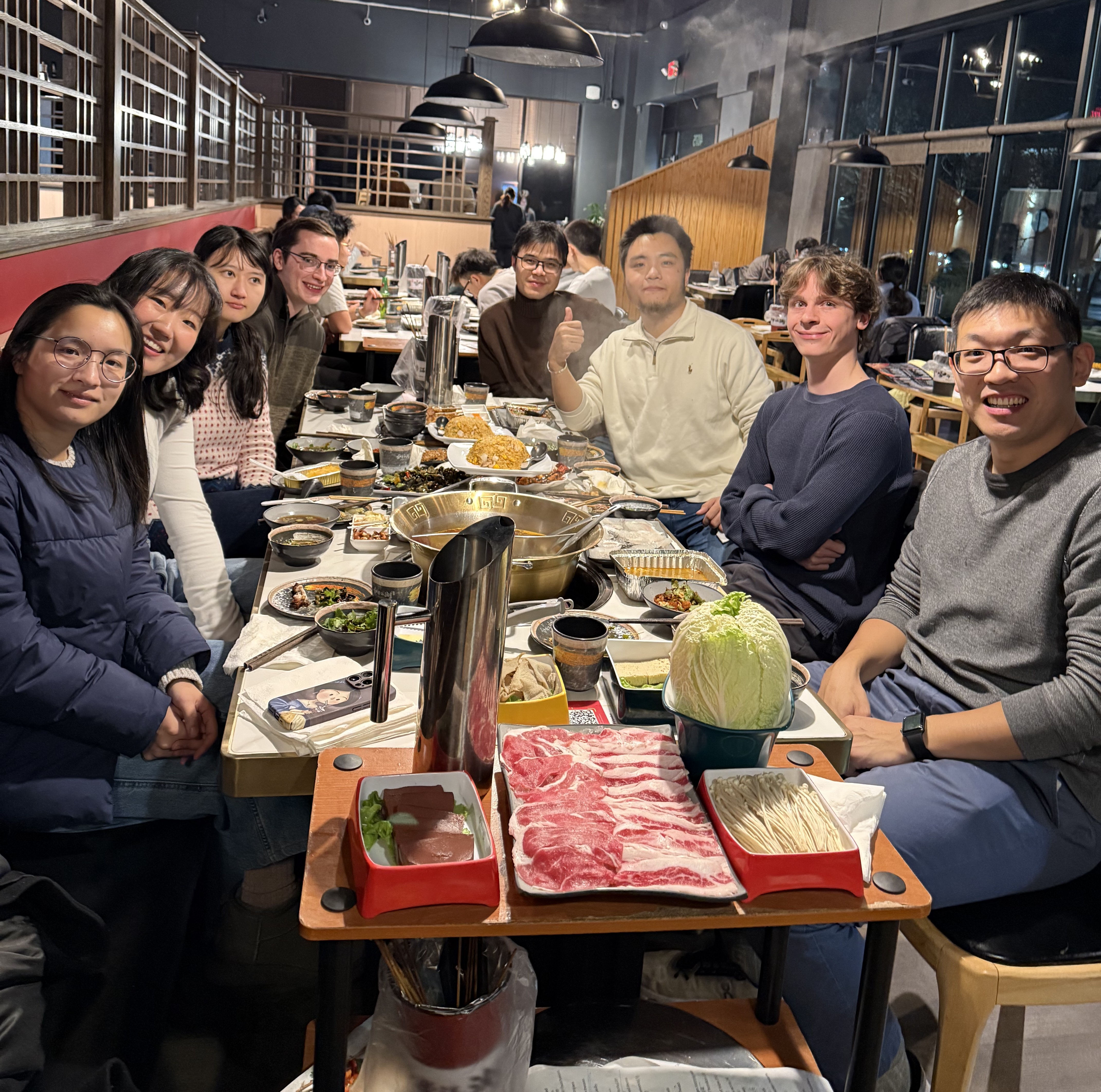
Activities and Photos